Pump

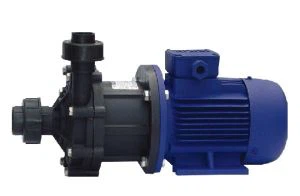
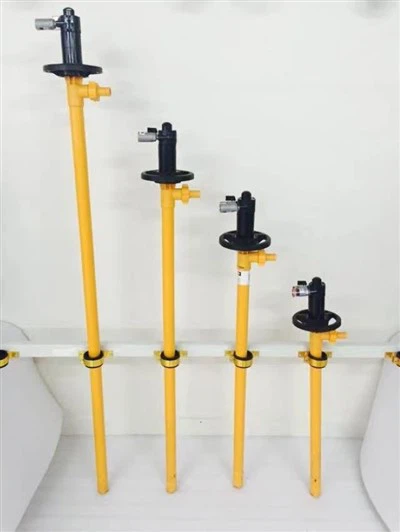
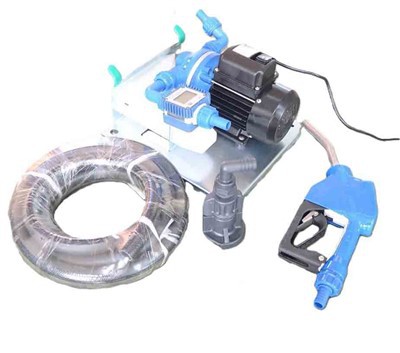
Jiangxi Merrypal as  a leading supplier of Pump equipment manufacturing in China. We specialize in the production of pumps, including pneumatic pumps, magnetic pumps, and urea pumps. Our products are exported to Europe, America and other parts of the world and are well recognized by customers.

Quality Control

Strict quality management system ensures that every production process of the Pump meets international standards and improves the stability and durability of the product.

Advanced Equipment

Modern production facilities and efficient production lines enable mass production of Pump to meet the demands of large orders.

Market coverage

Extensive business coverage in multiple markets or geographies to reach a wider range of potential customers.

Rich experience

With many years of industry experience and expertise, we are able to provide customers with customized Pump solutions and solve complex technical problems.

First 123 Last 1/3

-1


What is Pump ?

A pump is a device that moves fluids (liquids or gases), sometimes is slurries, through mechanical action, typically converting electrical energy into hydraulic energy.

What are features of Pump?

01/

Efficient conveying

The ability to efficiently transport various types of fluids, including liquids, gases and slurries, enhances the efficiency of the fluid transfer process and reduces energy consumption.

02/

Precise adjustment

Pumps precisely regulate the flow and pressure of liquids or gases to meet specific process requirements. For example, during a chemical reaction, precise flow control ensures the stability of the reaction and the quality of the product.

03/

High durability

Highly efficient pump systems are able to operate stably under high loads or severe operating conditions, reducing the frequency of equipment failures and extending service life, thus reducing repair and replacement costs.

04/

Adaptable

Different types of pumps (e.g. gear pumps, screw pumps, centrifugal pumps, etc.) are able to adapt to a variety of flow and pressure requirements, covering application scenarios from low to high flow and from low to high pressure.

Application of Pump

industrial manufacturing

Chemical production: In the chemical industry, pumps are used to transport a wide range of chemicals, including acids, alkalis, solvents and other liquid raw materials. Pump selection depends on the nature of the chemicals (e.g., corrosivity, viscosity, etc.) and requires the use of corrosion-resistant materials and high-precision control systems.

Agricultural irrigation

Irrigation systems: In agriculture, pumps are used to extract water from water sources (e.g. rivers, lakes, wells) and deliver it to the irrigation system. Pumps are able to provide a steady flow of water according to the water requirements of different crops and soil conditions to ensure that the crops get enough water.

Wastewater Treatment

In wastewater treatment plants, pumps are used to transfer wastewater from the drain to the treatment facility and to transfer sludge and treated water during the treatment process. The use of pumps helps to improve treatment efficiency and ensures that wastewater is adequately treated and discharged in compliance with standards.

Components of Pump


Pump Housing

The pump casing is the external structure of the pump that supports the internal components and directs the fluid to the inlet and outlet. The material of the pump casing is usually chosen according to the application requirements, such as plastic, cast iron or stainless steel.


Diaphragms

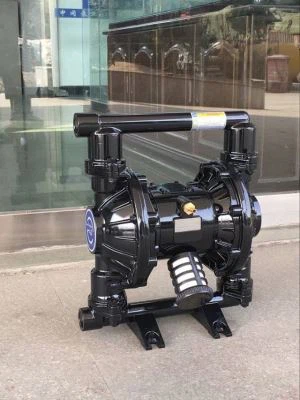
The diaphragm is the core component of an air operated diaphragm pump, which produces fluid transfer through alternating motion with the pneumatic drive. The diaphragm isolates the fluid in the pump body from the drive gas to avoid direct contact.


Inlet and Outlet Valves

Inlet and outlet valves control the entry and exit of fluids. They are usually ball or flap valves that ensure unidirectional flow of fluid and prevent backflow.


Valve Seats

The valve seat fits with the valve flap to ensure the sealing of the inlet and outlet valves and prevent fluid leakage. The design of the valve seat directly affects the sealing performance and working efficiency of the pump.


Bearings and Supports

These components support and stabilize the internal moving parts of the pump, ensuring smooth pump operation and reducing friction and wear.

FAQ


Q: What pumps are used for?

A: Chemical and petrochemical industry:Used for conveying chemicals and petrochemicals that are corrosive, flammable and explosive, viscous or contain solid particles.
Used for wastewater treatment, sludge transportation, chemical addition and wastewater recycling.

Q: How does a diaphragm pump work?

A: Diaphragm pumps realize liquid transportation through the reciprocating motion of flexible diaphragms. The process includes a drive mechanism that generates mechanical energy, reciprocating diaphragm motion that causes volume changes, and inlet and outlet valves that control the unidirectional flow of the fluid.

Q: Does a diaphragm pump experience fluid backflow?

A: A diaphragm pump effectively prevents backflow because the diaphragm creates a barrier between the liquid and the pump's moving mechanical parts.

Q: Is it bad to run a diaphragm pump empty?

A: Even though you can run diaphragm pumps dry, you should avoid . Every cycle a pump runs dry is one less cycle it will run to perform work. Running a PTFE diaphragm dry can cause premature failure.

Q: Diaphragm pumps are noisy?

A: Diaphragm pumps are quiet because valves are usually made of rubber.

Q: How long does a diaphragm pump last?

A: Standard operating conditions: Life range: typically 3 to 5 year.
Harsh working conditions:Lifespan range: may be shortened to 1 to 2 years.

Q: How long can diaphragm pumps run continuously?

A: Under normal operating conditions, such as flow rate and pressure not exceeding the rated parameters of the pump, and with regular maintenance, diaphragm pumps are capable of stable operation.

Q: What happens when a diaphragm pump dies?

A: The pump does not start at all or the motor does not run, which may be accompanied by motor heating or abnormal current. 2.The pump produces abnormal noise, vibration or heat during operation, a sudden drop in flow rate or pressure, and may have an abnormal sound or vibration. The pump motor or drive system is overheating, which may be accompanied by a burning odor or tripping of the motor protective device.

Q: Why use diaphragm pumps?

A: They are widely used in many industries such as chemical, pharmaceutical, food processing, mining, etc. due to their advantages of handling a wide range of liquids (including corrosive, highly viscous, and solid-containing liquids), good self-priming capability, adjustable flow rate and pressure, no lubrication requirements, high safety, and simple maintenance.

Q: Where are diaphragm pumps best suited?

A: Diaphragm pumps are better suited for pumping thicker liquids like sewage and mud. The most popular type of diaphragm pump uses compressed air as its power source, and the two chambers are a diaphragm, an outlet check valve, and a check valve for the inlet.

Q: How are diaphragm pumps inspected?

A: Inspect the pump, paying special attention to the body / manifold seals as well as the Diaphragm seals, for leaks. Once the inspection is complete slowly open the valve in the delivery pipework, the pump will start cycling again once the pressure in the delivery pipework drops. Turn off the air to stop the pump.

Q: How often do diaphragm pumps need to be replaced?

A: Just like the valves, the diaphragms in the backflow protectors can stretch and degrade over time, impacting suction. Replace these every 2 to 3 months if you pump once a day, and replace every 6 to 8 weeks if you pump more frequently.

We're known as one of the most professional pump manufacturers and suppliers in China. If you're going to wholesale bulk high quality pump made in China, welcome to get quotation from our factory.

Electric Diaphragm Pumps

(0/10)

clearall